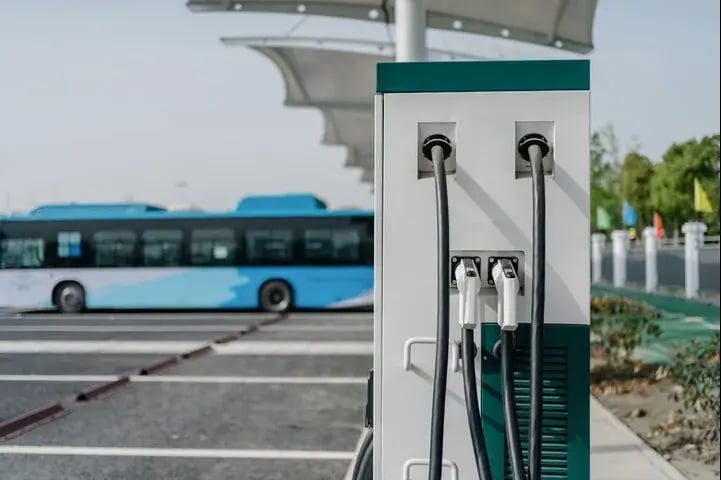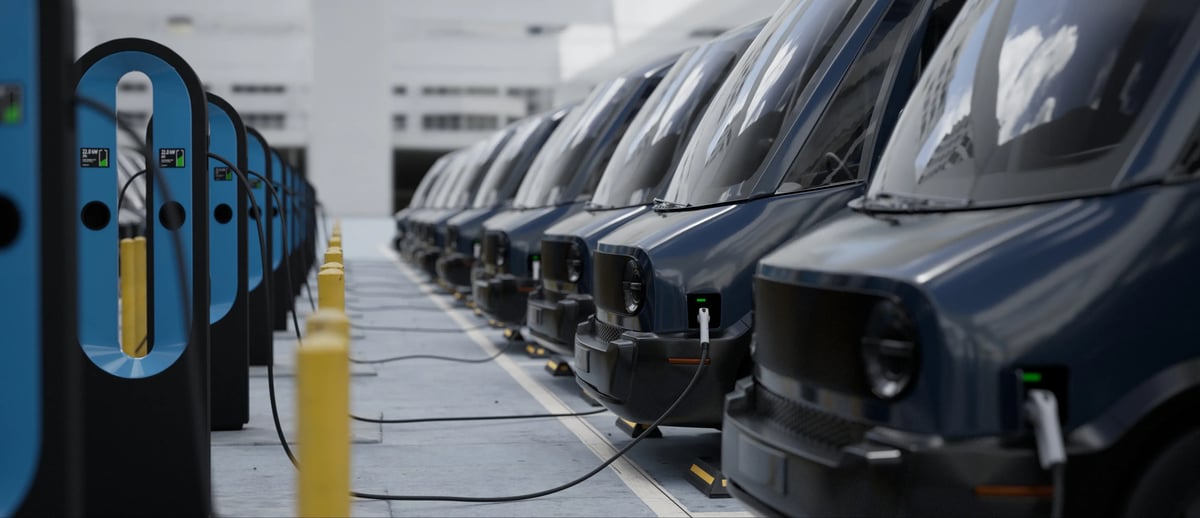

Replace diesel, vehicle by vehicle.
Give your team the tools to make electric as reliable as the diesel fleet it replaced.
Relied on by

for your whole fleet
warranty claims
of bus manufacturers supported
The shift is bigger than the vehicles
Going electric changes three things at once: how you run the day, what your most expensive asset is, and whether you can trust the numbers it gives you.

Operations
How operations change
With diesel, planning, dispatch, the depot and maintenance each did their own job. Electric connects them all to the same battery. It decides what you can schedule, whether a vehicle finishes its route, how it charges overnight and how long the packs last. Every one of those decisions needs the real state of that battery.
Assets
The asset change
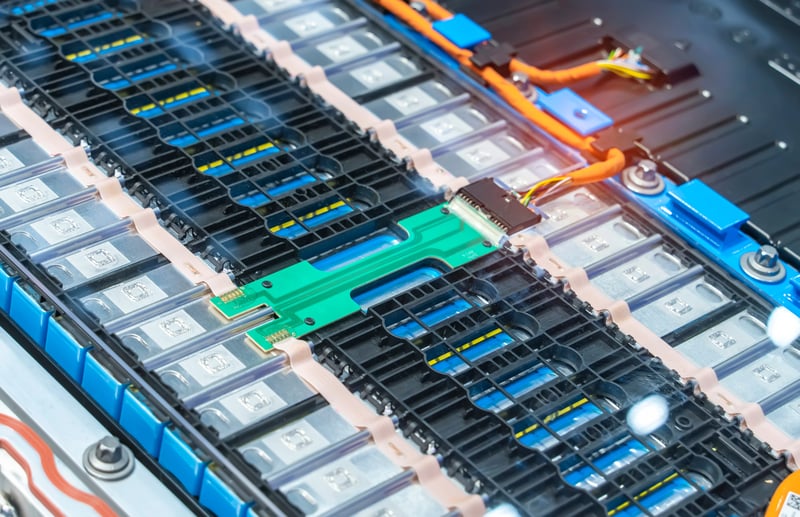
Batteries are your single largest capital expense, ageing in ways diesel never did. How you charge, deploy, and operate your fleet directly shapes how fast those batteries decay. Warranties are written against a degradation curve. Batteries almost never follow it.

Data
Rely on your own data
A diesel vehicle gave you one number anyone could read: the fuel gauge. An electric one produces far more data, and the ones that matter are harder to trust. State of health and state of charge are calculated by the battery manufacturer, so you see a result you cannot check.

Method
Where the numbers come from
The battery manufacturer calculates state of health and state of charge and shows you the result, not the workings. We work from the raw measurements your vehicles already send instead.
-
Measured
Raw voltage and current
Sampled every half second, straight from the pack.
-
Reconstructed
Open circuit voltage curve
Rebuilt for each pack, calibrated per chemistry.
-
Computed91% SoH
State of health
Independent of any manufacturer estimate.
How to get the raw data from your buses Read the article →
Built by people who lived
the electric transition.
Qbuzz ran into all of this on its own fleet, a mixed operation across multiple manufacturers. The battery figures it needed sat in each manufacturer's system, in a different format for every make, and it had no way to check them. So Qbuzz built its own tools. Qera grew out of that work and is now a company of its own, building battery intelligence for electric fleets across Europe.
Nobody was selling this, so an operator built it.
What working with
Qera looks like
Works on any vehicle, any battery
Multiple manufacturers and battery types are running on Qera today. New makes, vehicle types and chemistries get onboarded as fleets join Qera. The unique method* works out battery health from raw voltage and current, which every battery produces continuously. Qera connects to the data cloud you already use.
What we need from you
The battery's raw signals listed in our data requirements, energy throughput in kWh, and your warranty terms. We calibrate to the chemistry in your packs, LFP and every major NMC variant, and work out battery health from the raw numbers instead of the manufacturer's estimate. Don't have access to this data yet? We can help.
What getting started looks like
A short technical call to see what data your fleet already produces. Most fleets need nothing new on the vehicles. Where something is missing, we say so before you commit.
*Patent pending
Calculate what longer battery life saves your fleet
Software alone does not extend battery life. Changing how you charge, assign to routes, and maintain your vehicles does. Qera Battery Intelligence gives your team live charge, true state of health, and fleet ranking so you can make those changes and see what 5%, 10%, or 20% longer battery life saves.
Results vary by fleet. Qera gives you the battery data; the life extension you get depends on the changes you make in your operation.
Across 100 buses over a 10-year contract if operational changes enabled by Qera extend battery life by +10%
Unchanged operation
- Expected battery life
- 12.0 years
- Annual fleet depreciation
- €1,246,000/yr
- Depreciation per bus per year
- €12,460/yr
- End-of-contract residual value
- €24,920 / bus
Changed operation (enabled by Qera)
- Extended battery life
- 13.2 years (+1.2 yrs)
- Annual fleet depreciation
- €1,132,727/yr
- Annual depreciation saving
- €113,300/yr saved
- End-of-contract residual value
- €36,247 / bus
Battery pack and replacement cost per bus
Based on a 712 kWh NMC pack at €210/kWh (€149,520 pack value) plus €5,000 installation labour per replacement (€154,520 total replacement cost).
Battery life to the 80% SoH threshold
Checks both cycle wear and calendar ageing limits. Baseline battery life reaches 80% SoH at 12.0 years; if your operational changes extend life by +10%, service life reaches 13.2 years (+1.2 years).
Lower annual battery depreciation
Spreading pack cost over more operating years lowers depreciation per bus by €1,133/yr and saves €1,133,000 across 100 buses over 10 years.
Avoided mid-contract battery replacements
Compares required pack replacements during the 10-year contract under unchanged operation versus extended battery life.
Higher residual value at contract end
At contract end, batteries with slower wear keep more remaining life, preserving higher book value per bus across your fleet.
Frequently asked questions
Why can't we rely on the manufacturer's built-in SoC and SoH numbers?
Those figures come from the battery management system, which is programmed by whoever supplied the battery. That is not always the company that built the vehicle. Either way the calculation is theirs, and you cannot check it. Qera computes battery health independently from raw voltage and current, so you hold your own record when a warranty claim comes up.
How does independent battery data help with warranty disputes?
Warranty disputes are won with records made before a failure occurs. Qera keeps a continuous, independent record of battery health and energy throughput from day one.
Do we need to install anything on the vehicles?
Usually not. Qera reads the telematics data your vehicles already send. Where a signal is missing, we say so before you commit.
Does Qera work for trucks, vans and other electric vehicles?
Yes. Battery health needs only raw voltage and current, which every electric vehicle produces. Charge, cell balance and safety warnings use a few more of the battery's signals, listed in our data requirements. Qera runs on electric buses from five manufacturers today, and other vehicle types connect the same way.
Which battery chemistries do you support?
We calibrate the analysis to each chemistry: LFP and all major NMC variants, including 811, 622, 532 and 111.
Does Qera warn us about battery safety?
Yes. Safety alerts list battery temperature and safety warnings for every vehicle in one place, with the highest priority first. Online pack monitoring also alerts you as soon as a battery pack disconnects.
Is Qera a software company or an operator?
Qera is a software company. It was born inside the Dutch operator Qbuzz and is now a company of its own, and its tools were built by people running a fleet of 630+ electric buses.