

Skip to content
AI-generated content

Keep the service you promised

Quotas are moving your fleet to electric. The contract still counts cancellations, lost kilometres and punctuality the same way.

QUICK ANSWER

Electric vehicles deliver the same contracted service as diesel ones, but not in the same way. Range moves with weather, temperature, heating and load, and it falls as the pack ages, so a route that was comfortable in year one may be too long in year six. 

Qera shows you the true state of charge of every vehicle before it leaves, and how much usable energy each pack has left as it ages. It alerts you when a pack disconnects or a battery passes a safety limit.

Electrification

Why electric service fails in ways diesel service did not

A diesel vehicle could take any route on the board. An electric vehicle cannot, and the routes it can take change with the weather and with age.

01

Range moves with the weather.

Cold, heating, headwind and a full bus all cost energy. For example, in the first twelve days of 2024 Oslo cancelled around 5,700 departures, close to 1,000 on the worst day, against 16,000 planned each day. The reason given was range: the buses did not have the range that had been planned for, so they had to be swapped before finishing their routes.

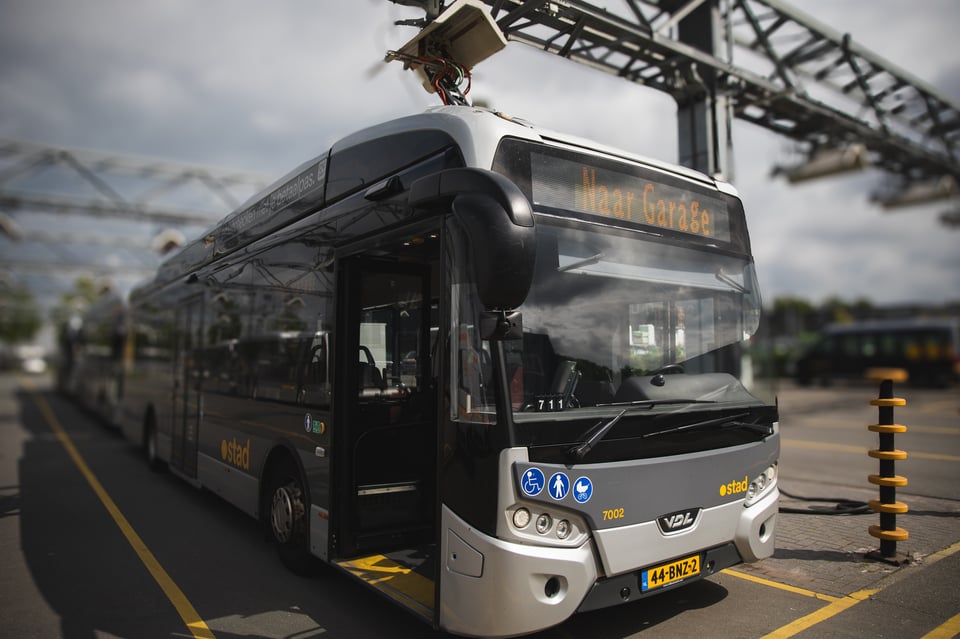
Electric city bus operating in winter weather conditions
02

Range falls as the fleet ages.

Usable range declines by up to 26% across a vehicle's life. Routes that were possible when the vehicles were new stop being possible later, even though nothing is broken.

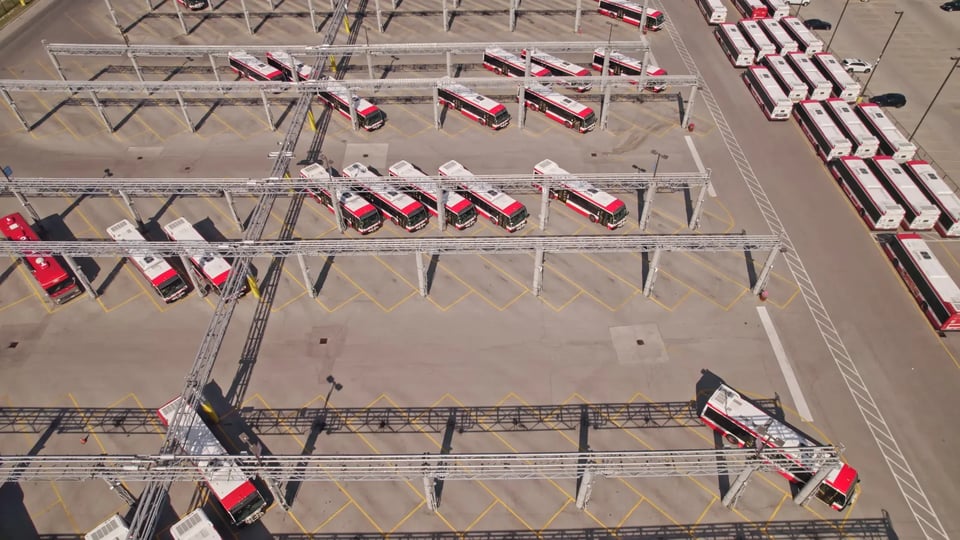
Aerial view of red and white electric buses parked beneath steel charging canopies at a depot
03

Nobody can see which vehicle is where on that curve.

You cannot see how far each vehicle has declined. The figures that would show it come from the manufacturer, in their format, with their corrections.

Row of electric buses connected to depot chargers before morning pull-out
04

So the operation pays in margin.

So you plan with extra margin. Conservative allocation, spare vehicles held back and charging built around the worst case. That margin costs money, but it never appears as a line in the accounts.

The failure is usually blamed on the manufacturer, the driver, the weather or the charger. The real cause is that nobody is measuring the batteries.

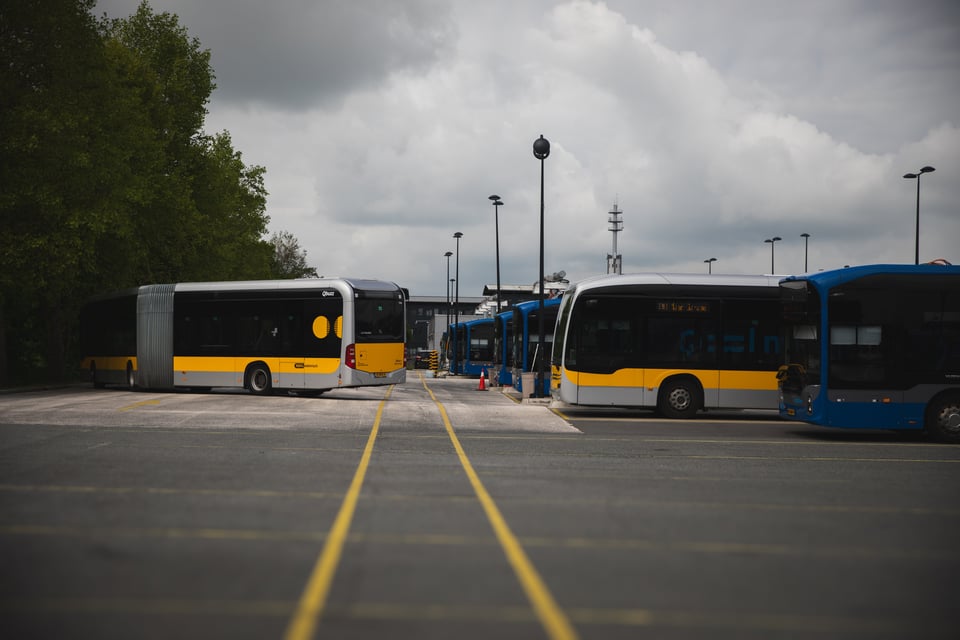
Electric transit fleet staged across depot

How Battery Intelligence helps operations

Battery Intelligence View through an electric bus window onto a snowy city street at dusk

Operational control

It puts charge, health and charging status for every vehicle and every depot on one screen, whatever the make. It alerts you as soon as a battery pack disconnects, and lists battery safety alerts across the fleet.
Discover Operational control
Battery Intelligence Electric bus travelling along a sunlit street in Stockholm

Advanced analysis

It tracks the health of every battery over its life. It shows which vehicles are losing health faster than the rest, and how much usable energy each pack has left.

Discover Advanced analysis

What your team gets

Before the first departures

packs that dropped out overnight are flagged

One true SoC

a charge figure planners can trust, whatever the make

Critical first

battery safety alerts sorted so the worst one is at the top

Ready to make electric work?

An intro call sorts out where to start.