Skip to content
Six decisions your battery data can support

Six decisions your battery data can support

Unlock the potential of your battery data for operational and strategic decisions, from maintenance needs to budgeting for replacements and warranty claims

Summary

Once you collect raw battery data from your vehicles, you can use it to make decisions. Operational ones like: whether a vehicle can successfully finish the planned trip, which vehicle needs maintenance etc. Then you have more strategic decisions: Budgeting for new batteries, when to claim warranty and which models to buy. Each decision is based on your own independent data.

The right questions

In our previous article, we talked about how to get raw data out of your vehicles. If you didn't read it here is the quick version: Write it into the purchase contract, Stream it continuously and keep your own copy. This article is about what you can decide once that data is flowing.

Best decisions are data-driven decisions, based on data you own. Imagine you collected the right information, raw, independent, and real-time; the right intelligence platform will provide you the insights into your electric fleet to support both operational and strategic decisions.

Examples

This table lists six decisions battery intelligence can support. Each one explained below.

Whether another vehicle should take the next route, or this one needs an extra opportunity chargeState of charge and healthEvery day
Which vehicles need a workshop visitPack online monitoring alertsWhen they happen
If a vehicle needs to stopSafety alertsWhen they happen
When to budget for new batteriesSoH trend and replacement forecastEach budget year
When to claim warrantyIndependent SoH against your contract termsThroughout the warranty period
Which models to buy nextSoH ranking by model and manufacturerEach tender

Operational decisions

Does a vehicle need a replacement or an extra charge?

Most vehicles are already planned on their normal routes, and that plan doesn’t change from day to day. But what changes is the state of each battery and that is something you can track with Battery intelligence. It shows the state of charge and health of every vehicle, and which depot it is at, in one view.

If a bus, for example, hasn't fully charged overnight, or a cold morning leaves its battery with less usable energy, planners can see it before first departures. Either they can send a replacement bus or plan an extra charging stop while it is in service.

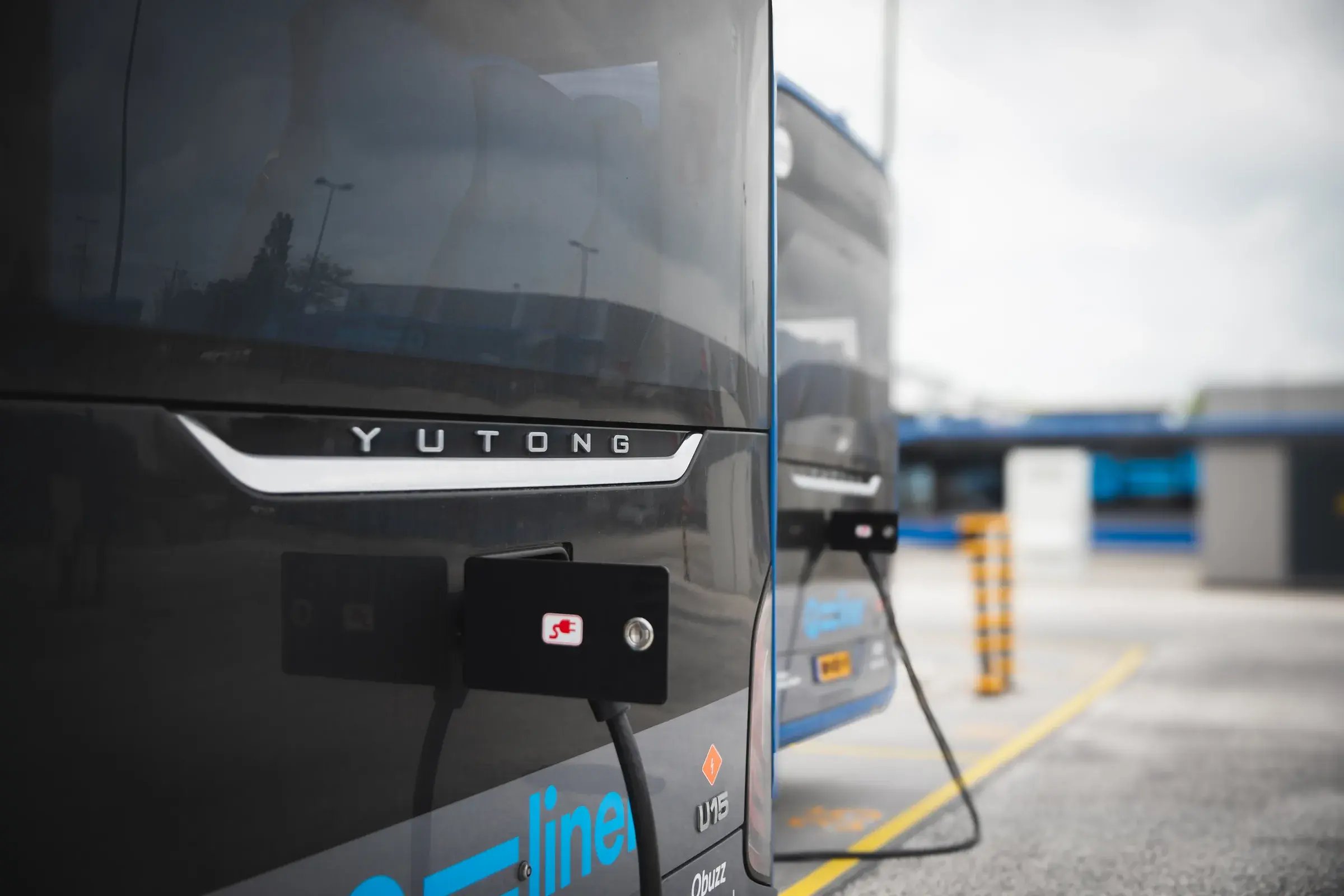
AdobeStock_556959148

Which vehicles need a workshop visit?

Electric vehicles have several battery packs. When one pack loses its connection, the vehicle has less energy than planned. Online pack monitoring sends an alert when a pack disconnects, so the workshop can reconnect it as soon as possible.

If a vehicle needs to stop?

Some battery faults can't wait for the next workshop slot. Safety alerts flag readings such as abnormal changes in temperatures. A battery temperature that keeps rising is a reason to take the vehicle out of service at once.

Strategic decisions


When should you budget for new batteries?

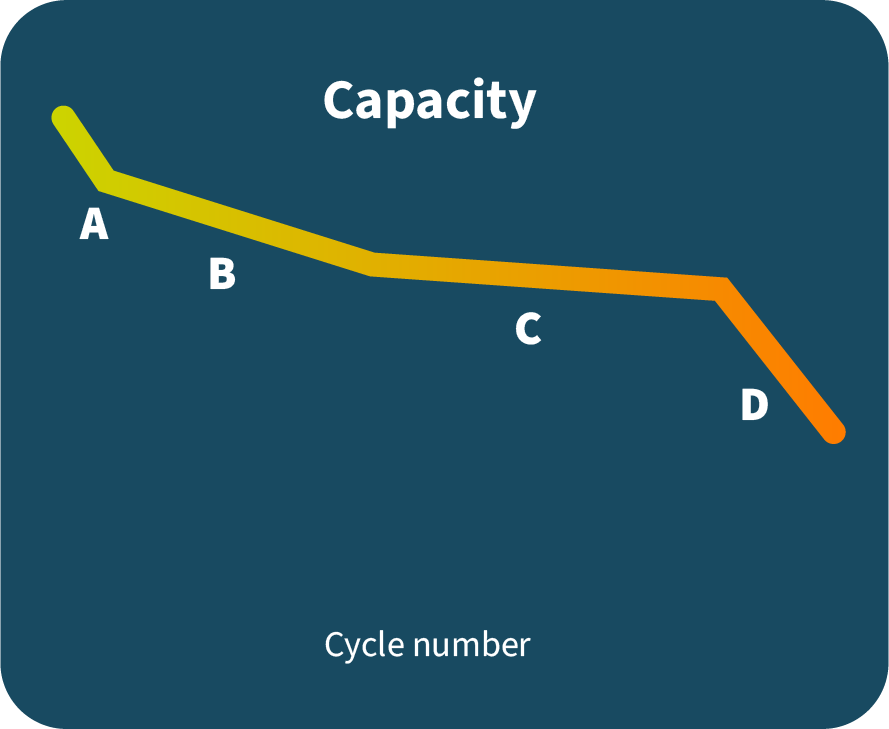
A battery loses capacity slowly at first. After some years the loss speeds up, at what is called the knee point. Battery intelligence follows the SoH of each battery over time and forecasts when it will need replacing, 5 to 10 years ahead.

fig_degradation_phases
D shows the knee point

Finance can use that forecast for depreciation schedules and replacement budgets. In the meantime, planners can move vehicles with a lower SoH onto shorter routes and keep the healthiest ones on long duties.

When should you claim warranty?

A battery warranty usually guarantees a minimum SoH for a set number of years or kilometres. Battery intelligence calculates SoH from your raw data, independently of the manufacturer, and tracks each battery against the terms in your contract.

When a battery drops below the guaranteed level within the warranty period, you have your own record to back the claim. As we wrote in the previous article, the figures that decide a warranty claim should never come only from the party that pays for it.

Which models should you buy next?

If you run models from several manufacturers,Battery intelligence ranks the entire fleet by battery condition (healthy, aging fast, or needing attention) and allows filtering by region, concession, or depot to guide long-term asset allocation and valuation.

That shows which models hold up best in your own operation, this helps with decisions on asset management and depreciation schemes.

If any of these is hard to answer, book an intro and we'll show you what Qera Battery Intelligence can see in your fleet's data.

Book a twenty-minute intro, and we'll show you what this looks like on a fleet like yours.

Book an intro

Keep reading

Data, Data, Data: Unlocking the Power of Your Electric Fleet Data Data, Data, Data: Unlocking the Power of Your Electric Fleet How to retrieve data from the bus Data How to retrieve data from the bus